Seaside Heights, New Jersey
Wall and Drywall Mold Removal in Seaside Heights, NJ
Once mold penetrates drywall paper, it's inside the material. Wall and drywall mold removal in Seaside Heights involves a precise, moisture-mapped cutout and thorough drying of the cavity.
When you call
What happens when you call Seaside Heights's 24/7 line
Call (844) 352-3560 any hour. The line is answered 24/7 and insurance is accepted.
The process
The Wall & Drywall Mold Removal process in Seaside Heights, NJ
Inspect
Visual checks and moisture meter readings assess the wall, with a small access cut if needed to view the cavity.
Map the boundary
Moisture mapping defines the exact extent of affected drywall before any cutting begins.
Contain
Plastic containment and negative air pressure with HEPA filtration isolate the work area.
Remove
Affected drywall is cut along stud lines, bagged, and removed; exposed framing is cleaned and treated.
Dry
The open wall cavity is dried to target moisture levels, documented before any rebuild.
Why Seaside Heights homeowners call
Wall & Drywall Mold Removal done to the IICRC S520 standard in Seaside Heights, NJ
Moisture-mapped removal
Cutouts are defined by meter readings, ensuring removal aligns precisely with the affected area.
Cavity inspection
Exposed framing and insulation are inspected and addressed as necessary before closure.
IICRC S520 standard
Containment, HEPA filtration, removal, and drying adhere to the IICRC S520 protocol.
Documented process
Photos, moisture logs, and a written scope document the work boundary and final drying results.
When to call
When to book Wall & Drywall Mold Removal in Seaside Heights
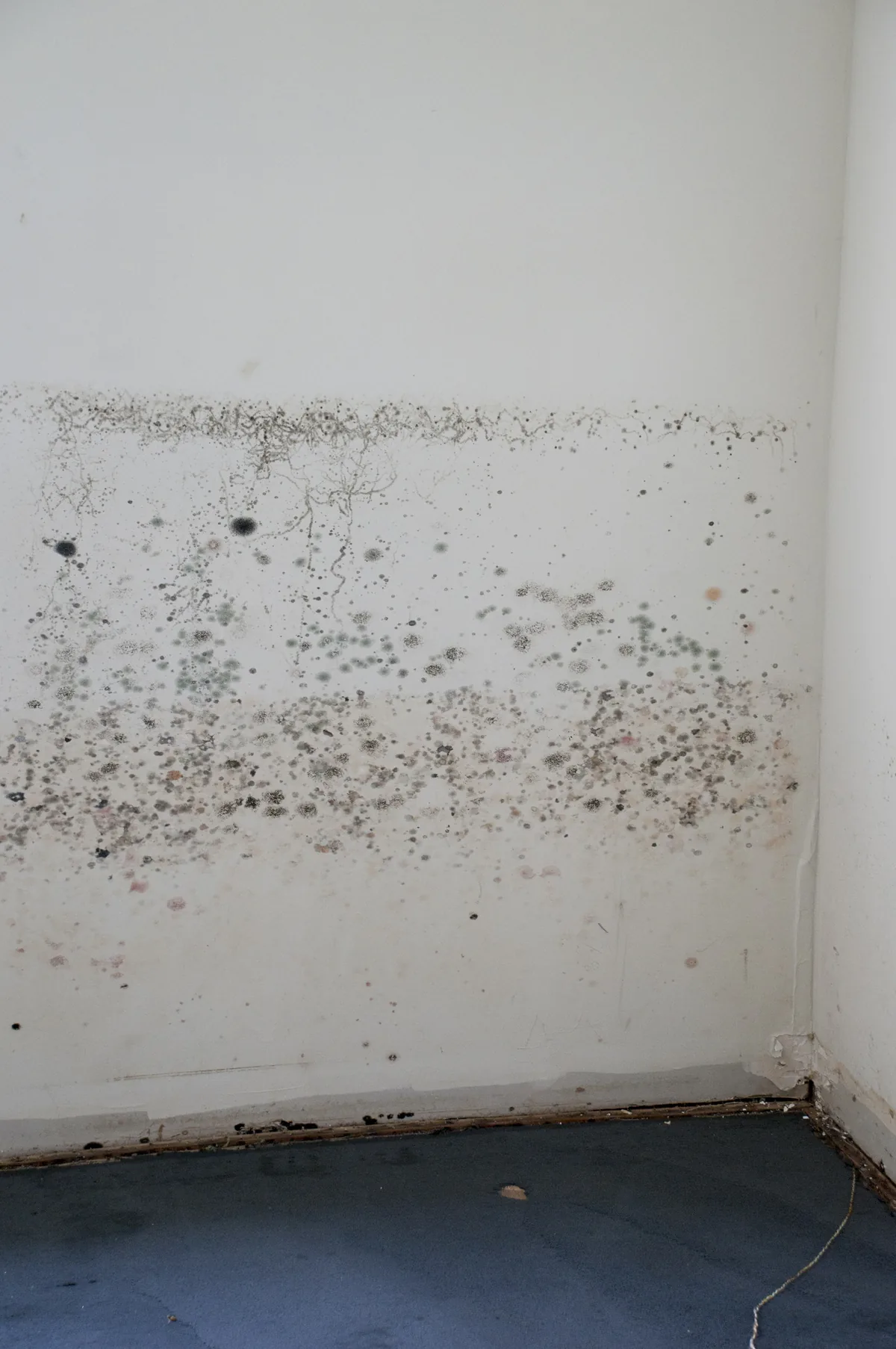
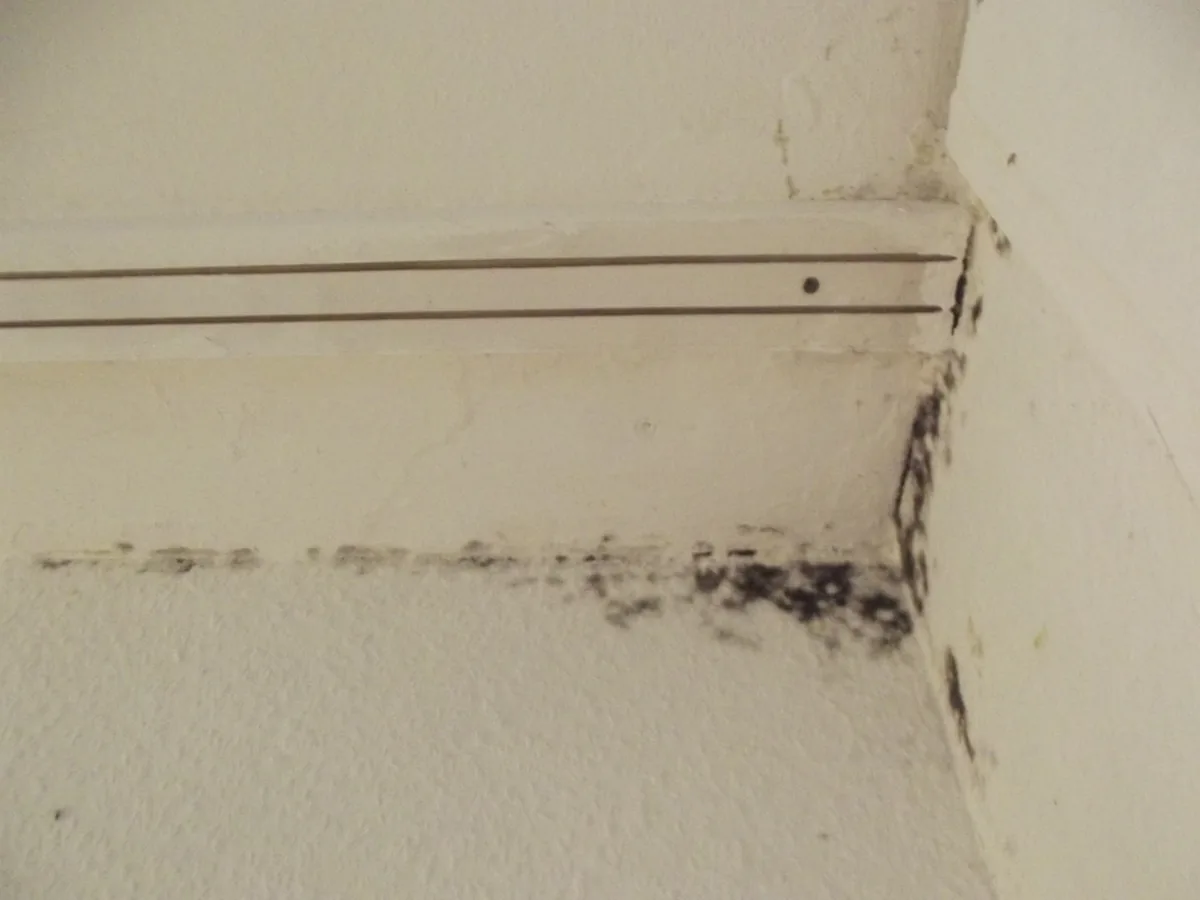
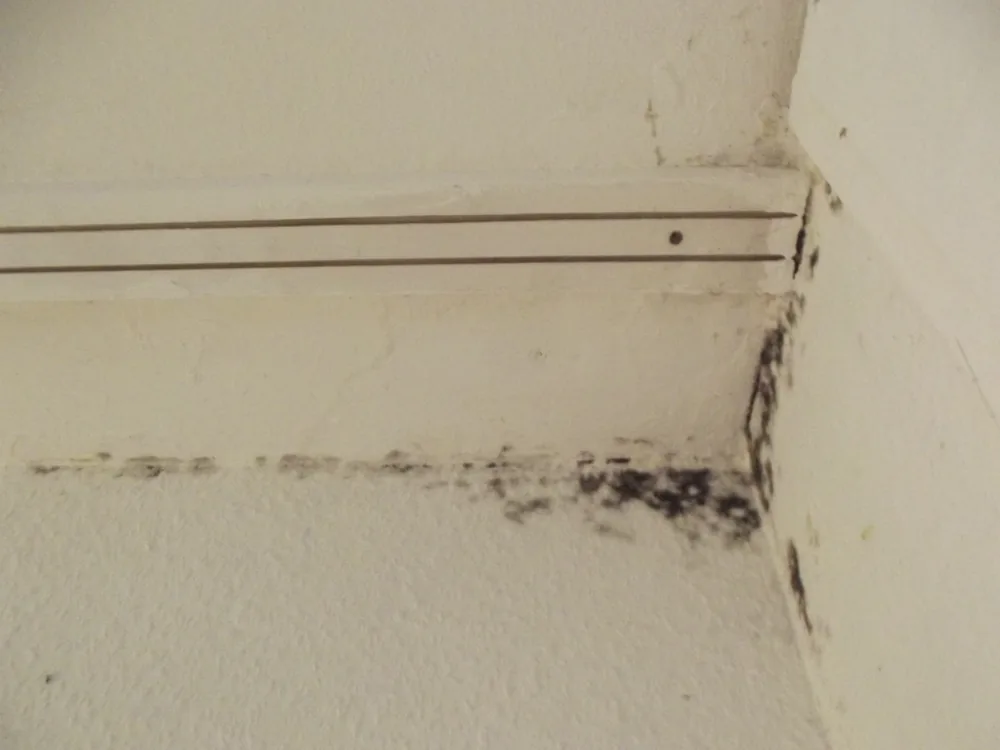
- Dark spotting or fuzzy growth on walls or baseboards
- Soft or bubbling drywall near a known leak
- A moisture meter detects dampness inside a wall
- Mold reappears in the same spot after cleaning
- A plumbing leak has affected an adjacent wall
- Condensation marks appear behind furniture on exterior walls
Any one of these is reason enough to call (844) 352-3560, the line is answered 24/7.
Scope of work
What the crew removes and treats in Seaside Heights homes
Drywall and gypsum
Cut along studs, bagged, and disposed
Baseboard and casing
Removed if contaminated, cleaned if solid
Fiberglass batt insulation
Extracted from wet cavities
Vapor barrier
Replaced if it held moisture against framing
Stud framing
HEPA-vacuumed, sanded if needed, and treated
Not sure how far the damage runs? Describe it on the phone at (844) 352-3560, the line is answered 24/7.
By location
Wall & Drywall Mold Removal by city
Wall & Drywall Mold Removal covers Seaside Heights and the whole Ocean County area. Pick your city for local detail and pricing.
Where the crews work
Wall & Drywall Mold Removal across Seaside Heights & the Ocean County area
From Seaside Heights out to Dover Beaches South, Seaside Park, Lavallette, and the Ocean County area. The same crews, the same 24/7 line.
What it costs
Mold removal cost in Seaside Heights, NJ
Every job is different, so these are the typical New Jersey ranges. They are planning numbers, not a quote. Your price depends on how much mold there is, where it is, and what caused it.
A single moldy spot, a closet, or under a sink. The crew seals it off, removes it, and treats the surface.
A bathroom, kitchen, or bedroom with mold on a wall or ceiling, plus the moisture source fixed.
Larger areas that need more containment and drying. Common here after spring rain or a slow leak.
Mold across several rooms or after major water damage. The work runs in phases, room by room.
The surest way to get a firm number is to call and have the crew walk the space with you. Want a ballpark first? Try the instant mold remediation cost calculator. Filing a claim? Insurance is accepted and the contractor works with your carrier, so read the mold insurance claims guide.
Time and scope
How long Wall & Drywall Mold Removal takes in Seaside Heights, and what is included
How long the job takes
A single wall section is often addressed in a day. Multiple cavities, wet insulation, or slow-drying exterior walls can extend the timeline, as the cavity must meet specific dryness criteria before rebuilding.
What is included, what is booked separately
- Moisture mapping to establish the removal boundary
- Containment with HEPA air scrubbing and negative air
- Cutting, bagging, and disposal of affected drywall and insulation
- HEPA cleaning and treatment of exposed framing
- Cavity drying with recorded moisture readings
Booked separately: Drywall rebuild and restoration, Wood framing mold removal, Clearance testing.
For a firm schedule and a written scope, call (844) 352-3560, the line is answered 24/7.
On the job
Mold remediation work in Seaside Heights homes
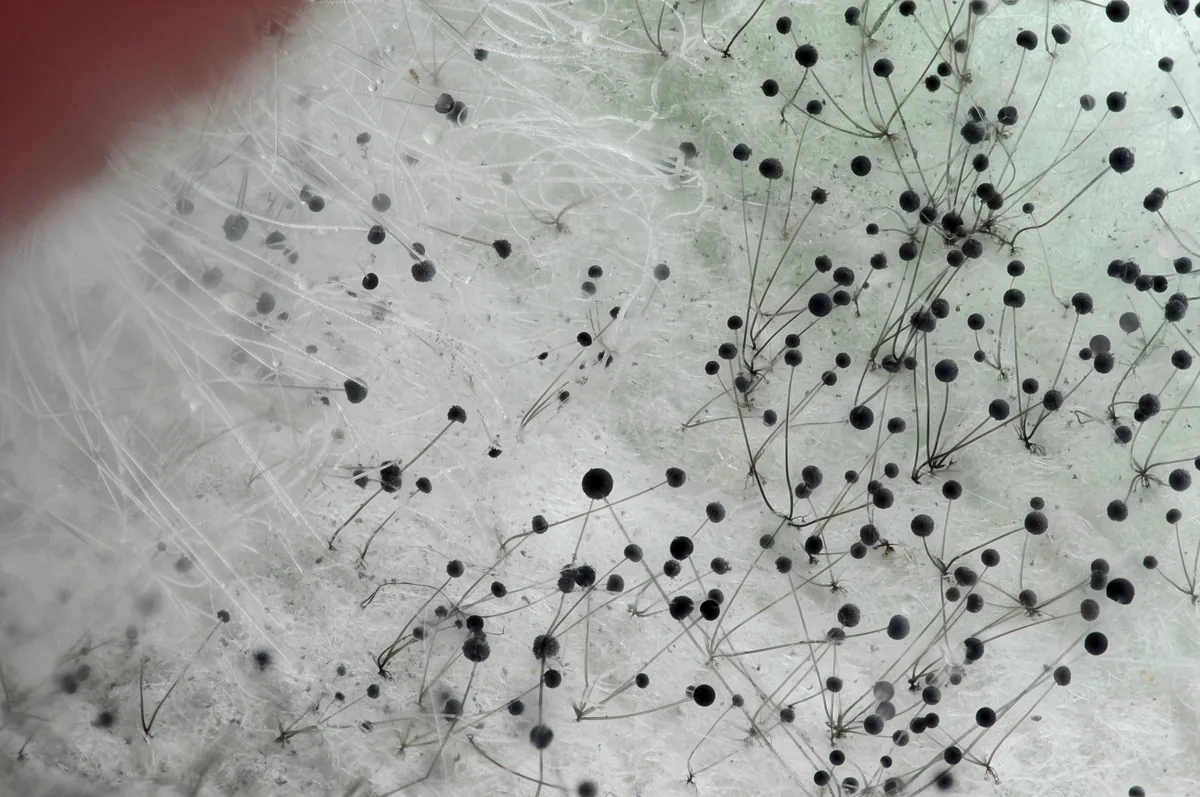
Why Drywall Mold Is Not a Surface Issue
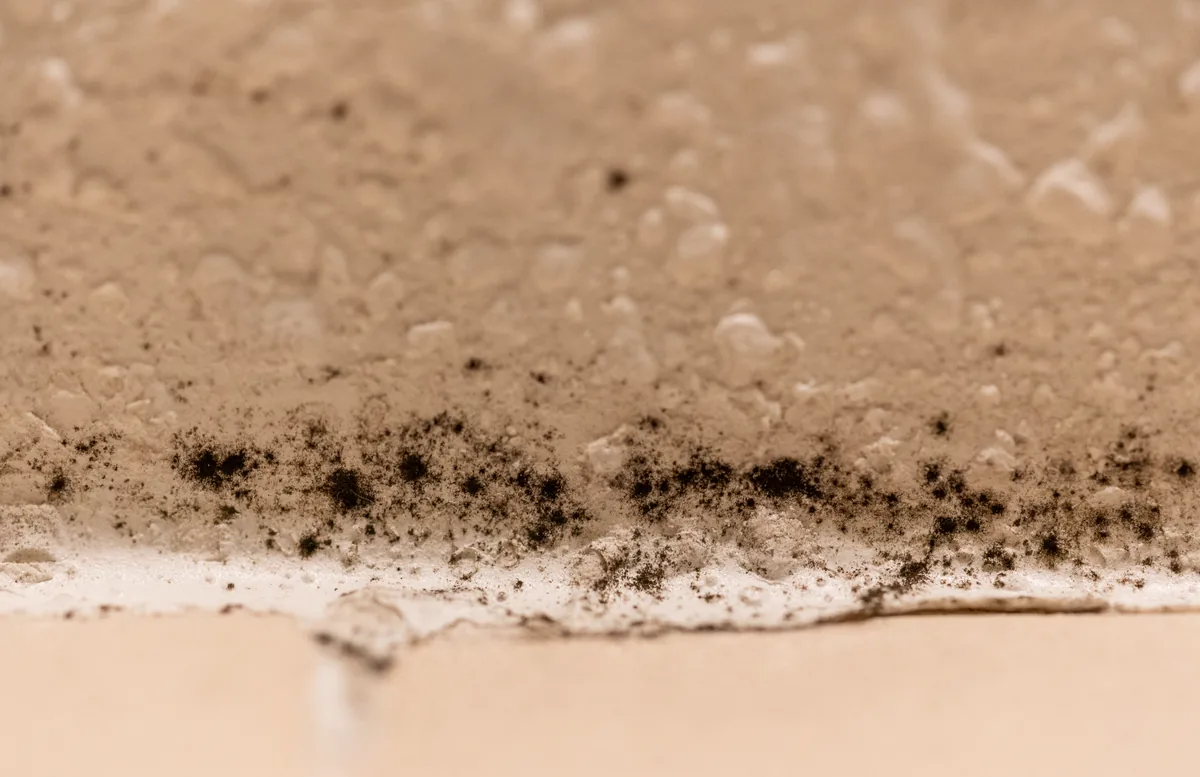
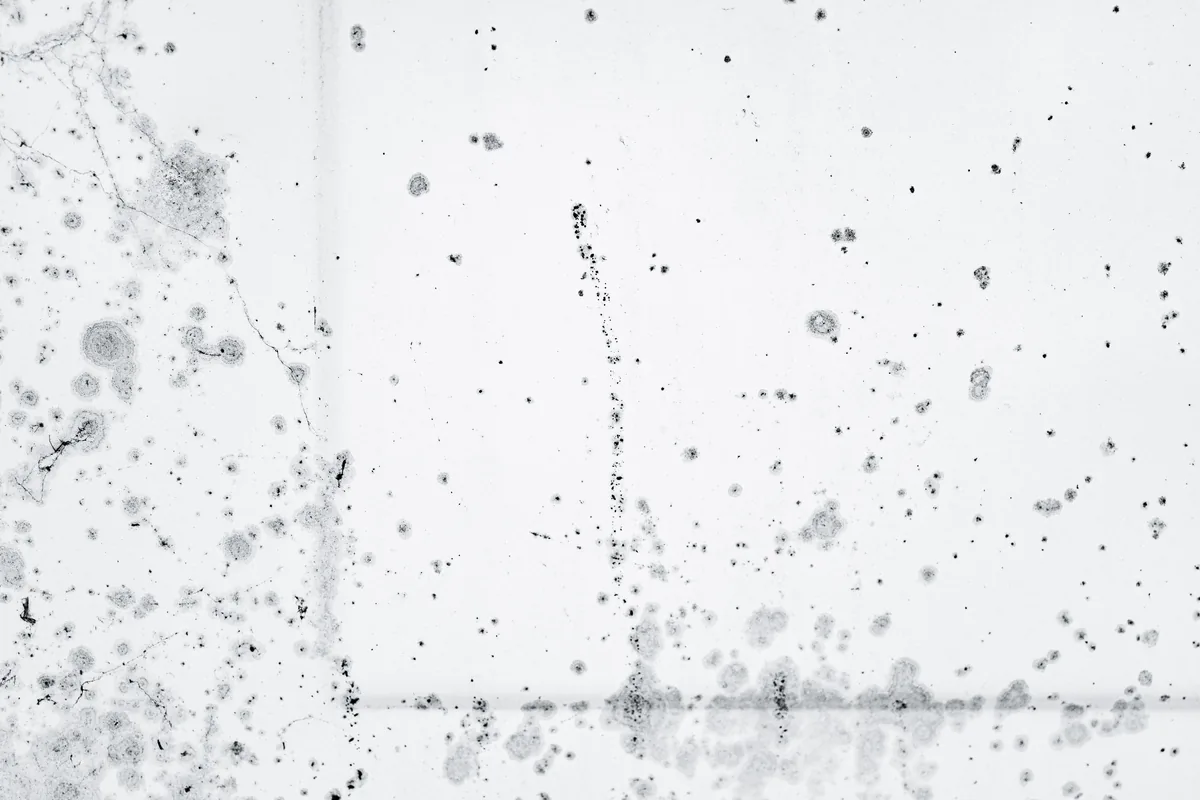
Drywall consists of a gypsum core with paper facings, an organic material mold consumes. Surface spotting often indicates growth deep within the paper layer.
Wiping mold from drywall rarely provides a lasting fix, as growth inside the material can continue and resurface.
The established solution for mold in drywall is removal of the affected section, differing from treatment on non-porous surfaces.
Paint can mask underlying mold growth on drywall for a time, even as moisture persists behind it.
For independent guidance on mold, moisture, and safe cleanup, see EPA: a brief guide to mold, moisture, and your home and CDC: mold and health information.
Condensation on Exterior Walls
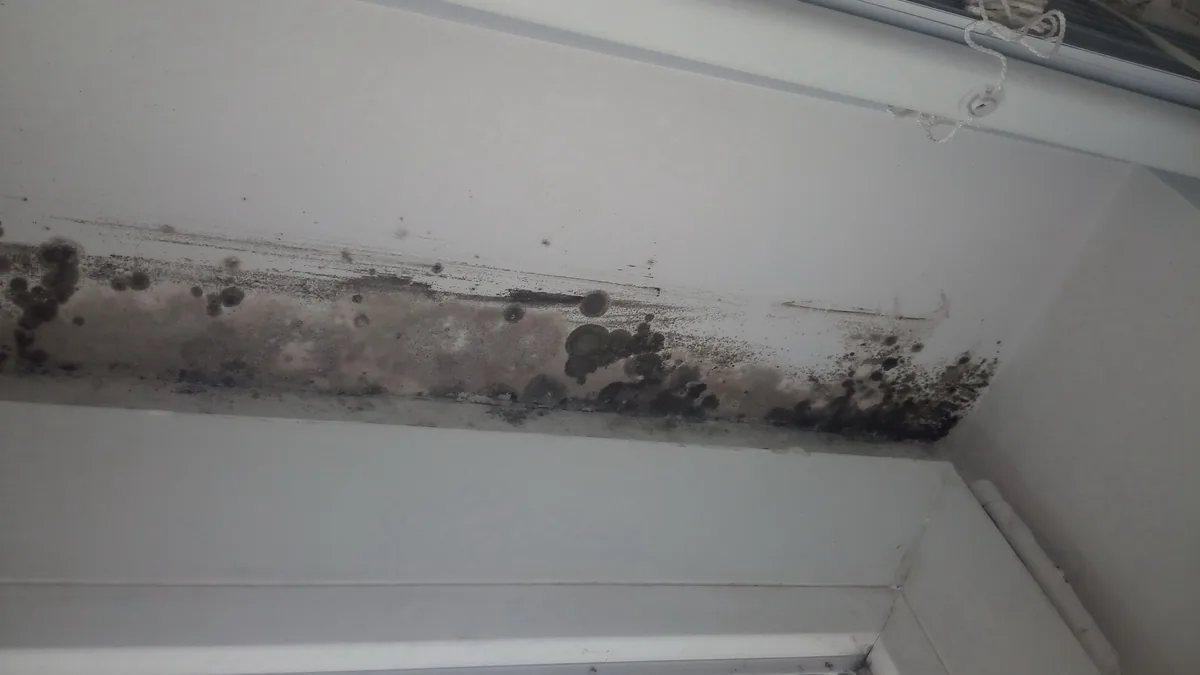
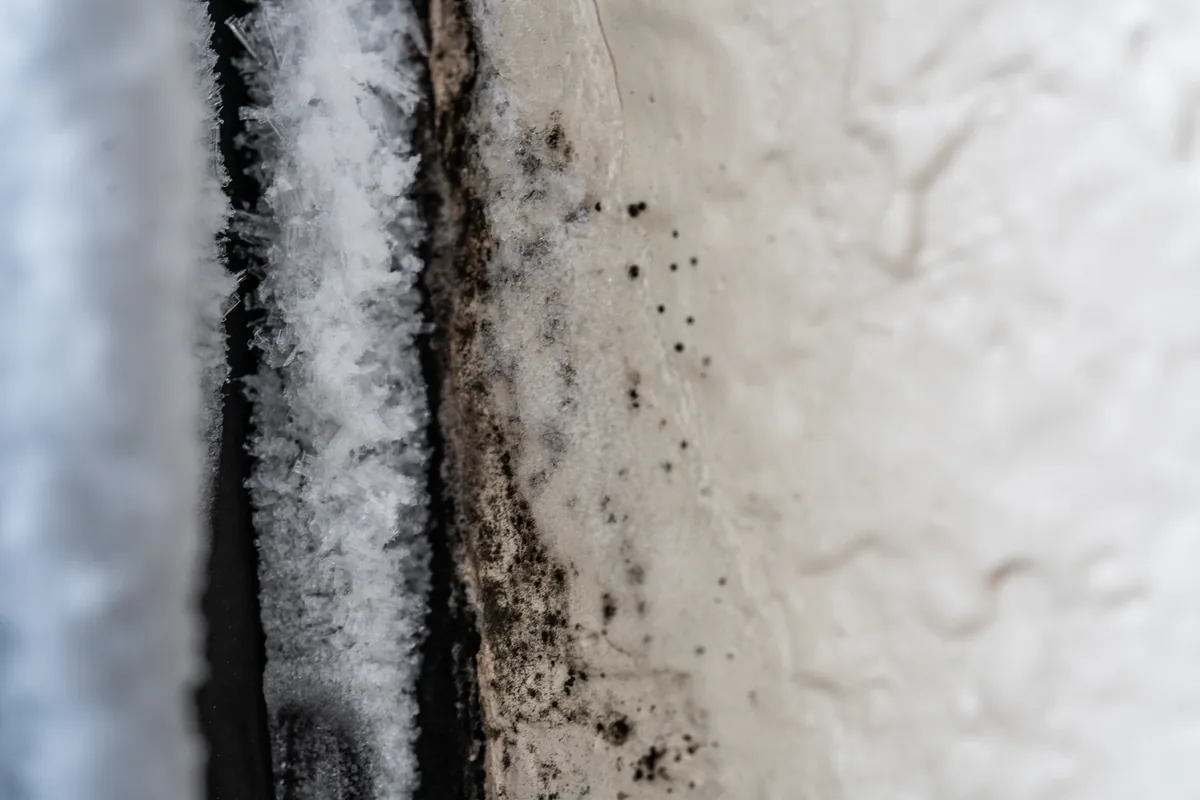
In Seaside Heights, mold often forms on exterior walls where warm indoor air meets colder wall cavities, leading to condensation.
This is common in corners, behind furniture, and around windows where insulation may be insufficient.
- Corner spots where two exterior walls meet
- Behind large furniture blocking airflow along a wall
- Around window and door framing
- Near where an exterior wall meets an unheated space like a garage
How Cut Lines Are Determined
Cut lines are set using moisture meter readings, following studs to ensure clean, supported edges for repair.
This approach minimizes the opening size, impacting repair cost and final wall texture matching.
Meter readings often extend beyond visible staining, as mold within the cavity can spread farther than surface signs indicate.
For walls with electrical or plumbing, cut lines are planned to avoid these fixtures unnecessarily.
Inspecting Behind the Drywall
Once open, studs and insulation are inspected. Solid framing is cleaned; wet or contaminated insulation is removed.
No wall is closed until framing reaches proper dryness, even if drying takes longer due to construction.
Interior vs. Exterior Wall Mold
Interior wall mold typically stems from a specific water event, like a plumbing leak, not ongoing condensation.
This distinction guides the inspection: hunting for a leak source inside versus insulation or vapor barrier issues outside.
Identifying the wall type early informs both the remediation scope and prevention strategies.
Basement walls require specific attention, combining exterior wall condensation risks with potential soil moisture contact.
After the job
After the job: keeping it from coming back
Maintain space between furniture and exterior walls for airflow.
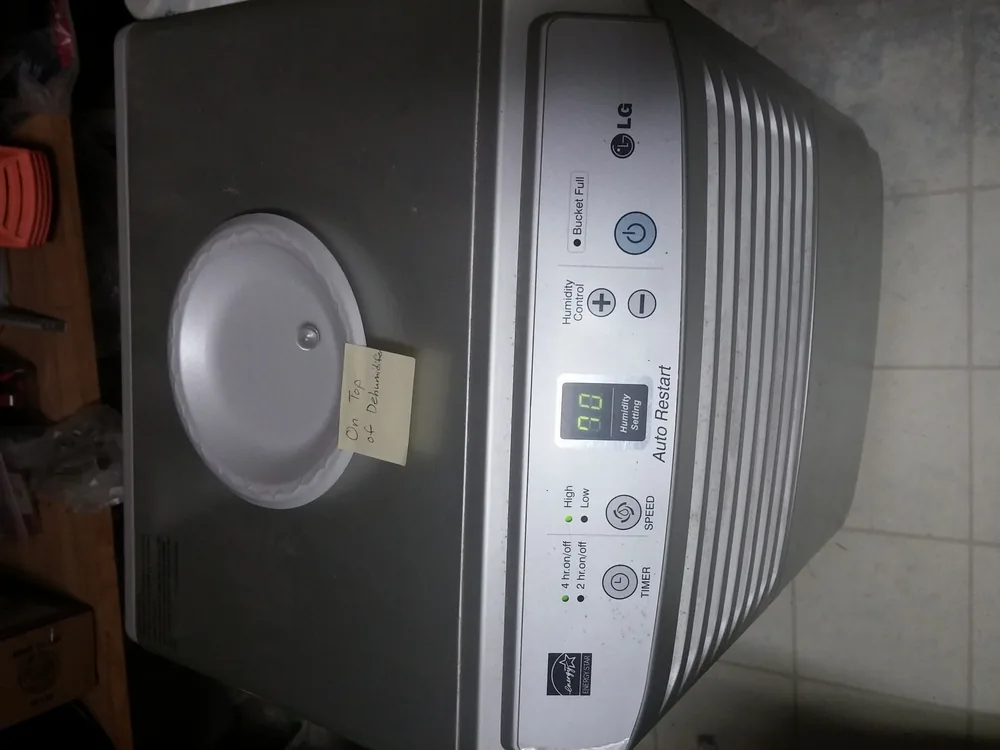
Keep indoor humidity between 30 and 50 percent during colder months.
Inspect repaired areas after significant weather events like hard freezes or heavy rain.
Ensure caulking around tubs, sinks, and windows is intact to prevent moisture entry.
If it shows up again, or a new leak starts, call (844) 352-3560, the line is answered 24/7.
Good to know
Wall & Drywall Mold Removal in Seaside Heights, NJ: common questions
Can painting over mold on drywall solve the problem?
No. Paint seals in mold without addressing growth inside the drywall, often leading to recurrence and further spread.
Does exterior wall mold differ from interior wall mold?
The removal process is similar, but exterior wall mold often originates from condensation, while interior wall mold usually indicates a leak.
What happens if mold is on the wall studs?
Light surface mold on studs can be cleaned and treated. If damage is deeper, options are reviewed before the wall is closed.
How is the amount of drywall to be removed determined?
Moisture mapping defines the affected area; removal follows stud lines to match the problem's exact extent.
Is drywall replacement part of the remediation?
Remediation includes removal, drying, and treatment. Drywall replacement and finishing are typically coordinated separately.
Related services
More mold services in Seaside Heights, NJ
Standards
Standards the work is done to in Seaside Heights
Questions about the scope? Call (844) 352-3560, open 24/7.
Talk to the mold removal team now
Need Wall & Drywall Mold Removal in Seaside Heights, NJ?
Call the 24/7 line and a local crew gets the problem contained fast, then removed the right way, to the IICRC S520 standard. A visit is often set the same day.